Pilates has become one of the most popular forms of exercise for people looking to improve strength, flexibility, and overall well-being. While it’s often grouped alongside yoga, Pilates has its own unique approach, focusing heavily on controlled movement, core stability, and alignment.
Whether you’re new to exercise, recovering from injury, or looking to enhance your fitness routine, understanding what Pilates is—and how it works—can help you decide if it’s the right fit for your goals.
Did you know? At Breathe Wellness, we offer Pilates classes designed for all levels, helping you build strength, improve posture, and move with confidence in a supportive environment. Explore available class times for Smithville’s best Pilates instruction!
What Is Pilates?
Pilates is a low-impact form of exercise that focuses on strengthening the body through controlled, precise movements. It was developed by Joseph Pilates in the early 20th century as a method to improve physical strength, flexibility, and posture.
Unlike traditional workouts that may emphasize speed or heavy resistance, Pilates is centered on:
- Control
- Precision
- Breathing
- Core engagement
The goal is to create balanced strength throughout the body, with particular emphasis on the “core,” which includes the abdominal muscles, lower back, hips, and pelvic floor.
Key Principles of Pilates
Pilates is built around several foundational principles that guide each movement.
Control and Precision
Every exercise is performed with intention. Movements are slow and controlled, ensuring proper muscle engagement and reducing the risk of injury.
Core Engagement
Often referred to as the “powerhouse,” the core is the foundation of Pilates. Strengthening this area improves stability, posture, and overall movement efficiency.
Breathing
Breathing techniques are coordinated with movement to support muscle activation and enhance focus.
Alignment
Proper body alignment is emphasized to ensure exercises are performed safely and effectively.
Benefits of Pilates
Pilates offers a wide range of physical and mental benefits, making it suitable for many different individuals.
Improved Core Strength
One of the most well-known benefits of Pilates is its ability to strengthen the core. A strong core supports better posture, reduces strain on the spine, and enhances overall stability.
Better Posture and Alignment
By focusing on alignment and muscle balance, Pilates helps correct postural imbalances that can develop from prolonged sitting or repetitive movements.
Increased Flexibility
Pilates incorporates stretching and lengthening movements that improve flexibility without placing excessive strain on joints.
Low-Impact and Joint-Friendly
Because movements are controlled and low-impact, Pilates is gentle on the joints, making it a great option for individuals recovering from injury or managing chronic conditions.
Enhanced Mind-Body Connection
Pilates encourages awareness of how the body moves, helping individuals develop better coordination and control.
According to the Mayo Clinic, exercises that combine strength, flexibility, and balance—like Pilates—can contribute to overall fitness and injury prevention.
Common Pilates Techniques and Movements
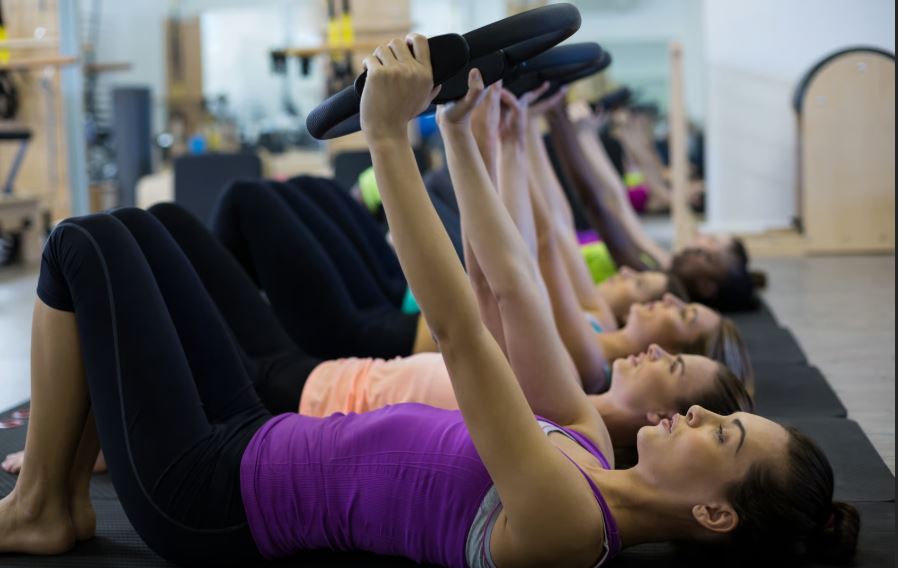
Pilates exercises are typically performed on a mat or with specialized equipment. Most beginners start with mat-based Pilates, which uses body weight for resistance.
Common techniques include:
- Controlled abdominal exercises
- Leg and hip strengthening movements
- Spinal mobility exercises
- Balance and coordination work
Each movement is designed to be efficient and purposeful, often engaging multiple muscle groups at once.
Who Is Pilates Best For?
One of the biggest advantages of Pilates is its versatility. It can be adapted to suit a wide range of fitness levels and needs.
Beginners
Pilates is an excellent starting point for those new to exercise. Its focus on control and proper form helps build a strong foundation.
Individuals with Back Pain
Because Pilates strengthens the core and supports spinal alignment, it is often recommended for individuals experiencing mild to moderate back discomfort.
Athletes
Many athletes use Pilates to improve performance, flexibility, and injury prevention.
Older Adults
The low-impact nature of Pilates makes it ideal for maintaining mobility, balance, and strength with age.
Anyone Looking for Balanced Fitness
Pilates complements other forms of exercise, helping create a well-rounded fitness routine.
How Pilates Compares to Other Workouts
While Pilates shares some similarities with yoga and traditional fitness training, it has a distinct focus on controlled movement and core stability.
Unlike high-intensity workouts, Pilates emphasizes quality over quantity. This makes it particularly effective for building long-term strength and preventing injury.
Getting Started with Pilates
Starting Pilates doesn’t require advanced equipment or prior experience. Many people begin with beginner-friendly classes that introduce foundational movements and techniques.
A guided class environment can be especially helpful for learning proper form and ensuring exercises are performed safely. Over time, as strength and confidence improve, movements can be adapted to provide greater challenge.
A Smarter Way to Build Strength and Mobility
Pilates offers a unique approach to fitness that focuses on strength, control, and overall body awareness. By improving core stability, posture, and flexibility, it supports better movement in everyday life.
Whether you’re looking to ease back into exercise, complement your current routine, or build a stronger foundation for long-term health, Pilates provides a practical and effective solution.
Isn’t it time for you to lock into a fitness routine and sign up for your Pilates membership?