
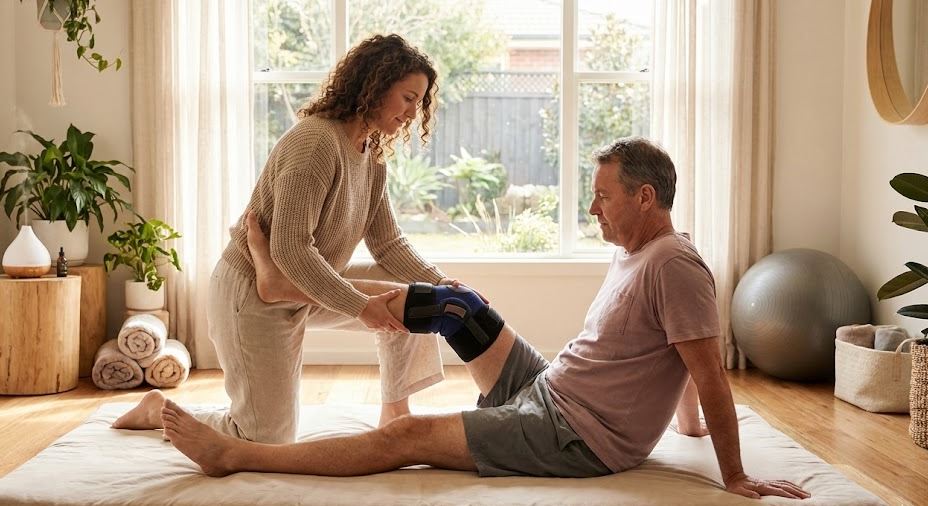
Surgery is often only the first step in recovery. Whether it’s a knee replacement, shoulder repair, hip surgery, or spinal procedure, what happens after surgery plays a major role in how well—and how quickly—you return to normal movement. Many people assume healing simply takes time, but without structured rehabilitation, recovery can stall, stiffness can persist, and strength may never fully return.
Physiotherapy after surgery focuses on restoring movement, rebuilding strength, and guiding the body safely through each stage of healing. With the right approach, post-surgical rehab not only reduces pain but also helps prevent long-term complications and re-injury.
Did you know? Breathe Wellness provides post-surgery physiotherapy in Smithville, supporting patients from West Lincoln and surrounding communities through safe, guided recovery after orthopedic and joint surgeries.
Why Post-Surgery Physiotherapy Is Essential
Surgical procedures—even successful ones—temporarily disrupt muscles, joints, and surrounding tissues. Without proper rehabilitation, the body often compensates by limiting movement or relying on other muscles, which can lead to stiffness, weakness, or imbalance.
Physiotherapy helps by:
-
Restoring joint mobility
-
Rebuilding muscle strength
-
Reducing swelling and inflammation
-
Improving balance and coordination
-
Supporting safe return to daily activities
Research consistently shows that early, guided movement improves outcomes after surgery and reduces the risk of long-term functional limitations.
Common Surgeries That Benefit from Physiotherapy
Post-surgical physiotherapy is commonly recommended after:
-
Knee replacement or meniscus surgery
-
Hip replacement
-
Shoulder repairs (rotator cuff, labrum)
-
ACL reconstruction
-
Ankle or foot surgery
-
Spinal procedures
-
Fracture repair
Each type of surgery has unique healing timelines and restrictions. Physiotherapists tailor rehabilitation plans based on surgical guidelines, tissue healing stages, and individual goals.
The Phases of Post-Surgery Rehabilitation
Rehabilitation progresses through phases, each with specific goals.
Phase 1: Early Recovery and Protection
This phase focuses on pain control, swelling reduction, and gentle movement. Physiotherapists help patients move safely without stressing healing tissues.
Goals include:
-
Reducing swelling
-
Restoring basic range of motion
-
Preventing stiffness
-
Teaching safe movement strategies
Early physiotherapy also helps prevent complications such as joint stiffness, muscle inhibition, and poor movement patterns.
Phase 2: Restoring Movement and Strength
As healing progresses, therapy shifts toward improving mobility and rebuilding muscle strength.
This stage often includes:
-
Progressive strengthening exercises
-
Controlled loading of joints
-
Improved coordination
-
Balance and stability training
Patients often feel more confident during this phase, but professional guidance remains critical to avoid overloading healing tissues.
Phase 3: Functional Recovery
The final phase prepares patients for daily life, work demands, and recreational activities.
Focus areas include:
-
Functional movements (stairs, lifting, reaching)
-
Endurance
-
Task-specific training
-
Injury prevention strategies
This stage helps ensure the body can tolerate real-world demands safely.
Why Skipping Rehab Slows Recovery
Some individuals attempt to recover independently using online exercises or rest alone. While motivation is helpful, unsupervised rehab often leads to:
-
Incomplete strength recovery
-
Persistent stiffness
-
Ongoing pain
-
Poor movement mechanics
-
Increased risk of re-injury
Physiotherapists identify subtle movement faults and muscle imbalances that aren’t obvious to patients but significantly affect long-term outcomes.
Managing Pain and Swelling Effectively
Post-surgical pain and swelling are normal, but they must be managed properly to allow movement. Physiotherapy incorporates:
-
Manual therapy techniques
-
Gentle mobility exercises
-
Education on pacing and activity levels
-
Movement strategies to avoid aggravation
Proper pain management supports confidence and participation in rehabilitation rather than fear-based avoidance.
Regaining Strength Without Overdoing It
After surgery, muscles often weaken quickly due to inactivity and protective patterns. Physiotherapists rebuild strength gradually, ensuring tissues are loaded safely.
Key benefits include:
-
Balanced muscle activation
-
Reduced joint stress
-
Improved movement efficiency
-
Lower risk of compensatory injuries
Strengthening too aggressively—or not enough—can delay progress. Physiotherapy finds the right balance.
Preventing Long-Term Stiffness and Loss of Mobility
One of the most common post-surgical challenges is stiffness. Without guided movement, joints may never regain full range of motion, limiting daily activities.
Physiotherapy helps by:
-
Encouraging safe, early movement
-
Addressing scar tissue restrictions
-
Maintaining joint health
-
Restoring normal movement patterns
According to orthopedic rehabilitation guidelines, early motion combined with controlled strengthening leads to better long-term outcomes after surgery. In fact, research indicates both pre and post-operative physiotherapy can contribute to optimal outcomes.
Supporting Confidence and Independence
Recovery isn’t only physical—it’s psychological. Many patients fear re-injury or movement after surgery. Physiotherapy provides reassurance through education and gradual progression, helping patients regain trust in their bodies.
Confidence improves when patients:
-
Understand healing timelines
-
Learn safe movement strategies
-
Experience measurable progress
-
Feel supported throughout recovery
This confidence often determines how fully someone returns to their previous lifestyle.
When to Start Physiotherapy After Surgery
Timing varies by procedure, but many surgeries benefit from physiotherapy starting within days or weeks. Surgeons often provide general guidelines, while physiotherapists customize treatment based on progress and comfort.
Starting rehab early helps:
-
Prevent stiffness
-
Maintain circulation
-
Improve mobility sooner
-
Shorten overall recovery time
Delaying therapy often prolongs recovery and increases frustration.
A Strong Foundation for Long-Term Recovery
Post-surgery physiotherapy isn’t just about getting through rehab—it’s about restoring confidence, strength, and movement for years to come. With structured guidance, patients can return to work, hobbies, and daily activities with less pain and greater independence.
Recovery works best when it’s proactive, personalized, and supported by professional care.